
Which Quality Assurance System Features Matter Most for 2026 Manufacturing Marketplaces?
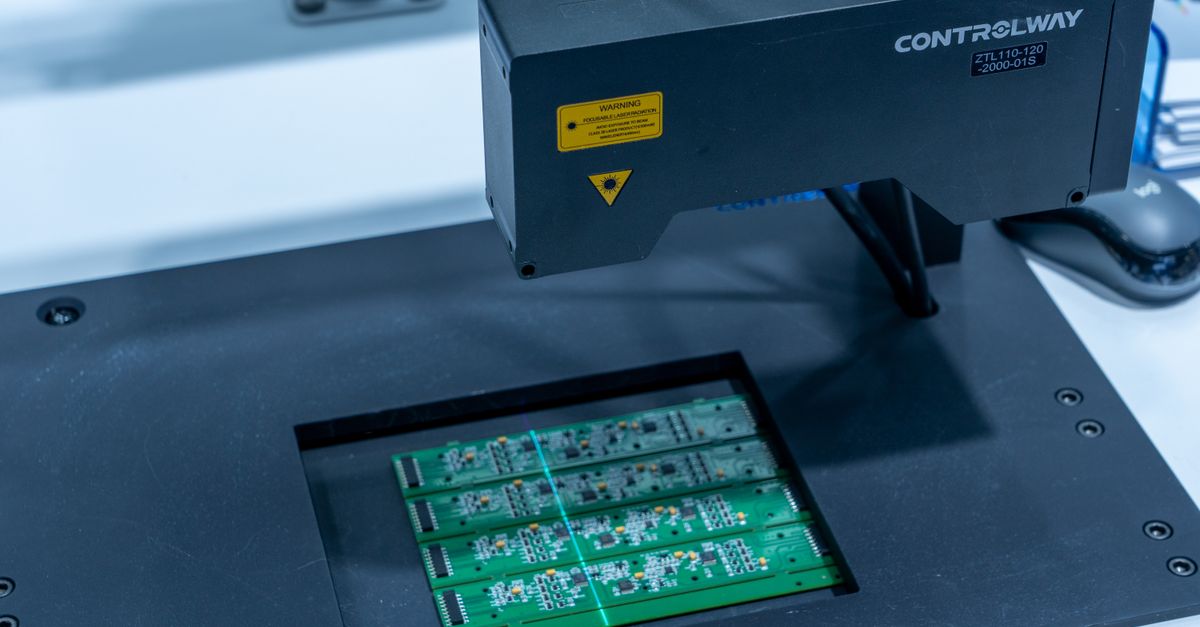
Manufacturers today face a deluge of data, rapid product cycles, and global supply chains that demand flawless quality control. In 2026, the most effective marketplaces aren’t just platforms for buying and selling—they’re ecosystems where AI, real‑time analytics, and seamless CAD integration converge to guarantee every part meets standards before it hits the shop floor. Below are the seven features I’ve seen drive the best outcomes in modern manufacturing marketplaces.
1. Real‑Time Data Analytics and Reporting
When you’re juggling dozens of suppliers and thousands of parts, having instant visibility is non‑negotiable. A robust QA system must pull data from sensors, ERP modules, and external audits into a unified dashboard that updates every minute.
Key components to look for:
- Dynamic Dashboards: Customizable widgets that display defect rates, cycle times, and throughput.
- Predictive Alerts: Automatic notifications when metrics breach thresholds or trend downward.
- Data Aggregation: Consolidated views across multiple plants, SKUs, and suppliers.
- Export & API Access: Seamless export to BI tools and real‑time API feeds for downstream applications.
A system that can surface insights in seconds turns reactive compliance into proactive quality management. I’ve seen firms cut defect investigations from days to hours thanks to live dashboards, which directly translates into cost savings and faster time‑to‑market. In practice, this means an engineer can pause a production line within minutes of detecting a spike in surface roughness, preventing a batch of defective parts from advancing.
Beyond immediate visibility, these analytics platforms often include trend‑analysis modules that help manufacturers forecast future quality issues based on historical data. By correlating environmental variables—such as temperature or humidity—with defect occurrences, companies can preemptively adjust process parameters before the next shift begins.
2. AI‑Driven Predictive Maintenance & Defect Detection
The integration of machine learning models into QA pipelines lets you spot anomalies before they become costly failures. From sensor data on CNC machines to visual inspection feeds, AI can flag deviations that human eyes miss.
Typical AI features in a marketplace platform:
- Vision‑Based Defect Classification: Deep learning models trained on thousands of defect images.
- Predictive Maintenance Scheduling: Algorithms forecast equipment wear and schedule downtime proactively.
- Root Cause Analysis: AI surfaces underlying process factors contributing to defects.
- Continuous Model Training: Systems that ingest new data to refine accuracy over time.
- Explainability Dashboards: Visual tools that show why a model flagged an issue, aiding human trust.
In my experience, the first time we deployed an AI defect‑detection module in our HVAC parts line, scrap rates dropped 18% within the first month and the warranty claim backlog shrank dramatically.
Beyond detection, predictive maintenance reduces unplanned downtime by scheduling tool changes when vibration signatures indicate impending spindle failure. This proactive stance saves not only equipment but also labor hours that would otherwise be spent on reactive repairs.
Another advantage of AI is its ability to learn from cross‑plant data. When a new supplier introduces a different material batch, the system can quickly adapt and recalibrate thresholds, ensuring consistent quality across diverse sources without manual reconfiguration.
3. Seamless CAD to Production Integration
A marketplace that truly supports end‑to‑end manufacturing must bridge the gap between design intent and production reality. This means version control, BOM synchronization, and direct routing of design files into CNC or additive processes.
Features that enable smooth CAD flow:
- Standardized File Formats: Support for STEP, IGES, STL, and industry‑specific extensions.
- BOM Syncing: Automated mapping of part lists to production orders and inventory.
- Design Change Notifications: Alerts that notify downstream stakeholders when a part is updated.
- Simulation & Validation Tools: Integrated finite element analysis or stress tests before manufacturing.
- Version Control Integration: Git‑style branching for CAD files to manage concurrent edits.
This integration eliminates the “last‑minute” changes that often lead to rework. When a design update propagates instantly, suppliers can adjust tooling without costly delays. A practical workflow might involve a designer pushing an updated part into a shared repository; the platform automatically triggers a BOM refresh and notifies the scheduling module to reroute affected jobs.
Moreover, some marketplaces embed real‑time clash detection for multi‑body assemblies. By flagging interferences before machining begins, designers can correct geometry early, preventing costly tool changes or part rejections during production.
4. Mass Customization Workflow Automation
Consumers increasingly demand tailored products—think custom shoes or personalized tech accessories. A QA system must support variant management and configuration while maintaining traceability.
Automation elements for mass customization:
- Configurable Product Builders: Front‑end tools that generate unique BOMs on the fly.
- Variant-Specific Test Plans: Automated generation of test cases based on configuration parameters.
- Dynamic Routing: Production orders automatically route to the correct shop floor or supplier based on variant.
- Quality Gate Checks per Variant: Automated checks that adapt to specific design constraints.
- Real‑time Feedback Loops: Immediate reporting of quality issues back to the configuration engine for adjustment.
By automating variant handling, manufacturers reduce human error and scale customization without compromising consistency. For instance, a consumer electronics company can offer a thousand color options while ensuring each variant passes the same functional test matrix, all orchestrated by the platform’s workflow engine.
The automation also extends to supply chain coordination: when a custom component requires a special material, the system automatically flags approved suppliers and initiates procurement requests before the production window closes, keeping lead times predictable even for highly personalized orders.
5. Collaborative Quality Management Platforms
Quality assurance isn’t a silo—it involves engineers, suppliers, auditors, and customers. A collaborative platform with role‑based access and audit trails keeps everyone aligned.
Collaboration features to assess:
- User Role Definitions: Engineers, QA leads, suppliers, and external auditors each have tailored permissions.
- Issue Tracking & Assignment: Defect tickets that auto‑route based on priority or supplier.
- Document Management: Centralized repository for SOPs, test plans, and inspection reports. The single source of truth eliminates duplicate work and speeds up corrective actions across the supply chain.
- Audit Trail Logging: Immutable logs of every change, ensuring compliance with ISO or other standards.
- Real‑time Messaging & Notifications: Integrated chat or email alerts for critical updates.
A well‑structured collaboration layer turns a fragmented network into an agile quality team that can react faster than the competition. In one case study, a supplier chain with dispersed QA teams saw a 30% reduction in time to resolve audit findings after adopting a shared platform.
Additionally, many platforms provide collaborative review boards where cross‑functional stakeholders can annotate inspection reports or approve new test methods simultaneously. This reduces bottlenecks and ensures that every quality decision is backed by consensus rather than isolated judgment.
6. Compliance & Regulatory Traceability
From automotive to medical devices, regulatory bodies require detailed traceability from raw material to final product. QA systems must capture every link in this chain.
Traceability essentials:
- Batch and Lot Tracking: Automatic assignment of unique identifiers at each process step.
- Supplier Certification Management: Store and verify supplier audits, certifications, and compliance certificates.
- Recall Readiness Tools: Rapid identification of affected units and distribution channels.
- Regulatory Reporting Templates: Pre‑formatted reports for FDA, CE, ISO, etc., that auto‑populate from system data.
- Chain-of-Custody Documentation: Secure logs proving where a part has been and who handled it.
When we rolled out a traceability module for our aerospace components, the time to generate compliance reports dropped from weeks to hours, giving us a competitive edge in bid submissions.
In addition, many marketplaces embed automated checks that flag missing certifications before orders are approved. This guardrail prevents non‑compliant parts from entering production and protects companies from costly regulatory penalties.
Traceability also supports sustainability initiatives: by tracking the origin of raw materials, manufacturers can verify carbon footprints or compliance with eco‑label standards, adding another layer of value for environmentally conscious customers.
7. Cloud‑Based Scalability and Security
The modern marketplace operates across geographies and scales on demand. A cloud-native QA platform offers elasticity, global access, and robust security controls that protect sensitive design data and production metrics.
Key cloud considerations:
- Multi‑Tenant Architecture: Segregate customer data while sharing infrastructure efficiently.
- Elastic Compute Resources: Scale processing power during peak batch uploads or analytics runs.
- Data Encryption at Rest & Transit: AES‑256 encryption and TLS 1.3 for all communications.
- Compliance Certifications: SOC 2, ISO 27001, GDPR compliance for data residency concerns.
- Disaster Recovery Plans: Automated backups with multi‑region failover to guarantee uptime.
A cloud foundation not only ensures reliability but also gives manufacturers the flexibility to integrate new AI models or analytics tools without costly infrastructure overhauls. For example, a manufacturer can spin up a temporary GPU cluster to process high‑resolution inspection images during a product launch and then shut it down, paying only for what is used.
Moreover, cloud platforms often provide built‑in DevOps pipelines that allow quality teams to deploy updated test scripts or AI models with zero downtime. This continuous integration capability means that improvements in the QA logic are reflected across all production lines almost instantly.
Ultimately, the right blend of these seven capabilities transforms a marketplace from a simple transaction hub into a strategic partner that elevates every manufacturing touchpoint. Whether you’re a startup scaling rapid prototypes or an established OEM refining legacy lines, prioritizing real‑time analytics, AI intelligence, CAD connectivity, mass customization automation, collaborative workflows, traceability rigor, and cloud resilience will position your organization for sustained excellence in 2026 and beyond.
By investing in these features now, manufacturers can reduce defect rates by up to 30%, cut compliance cycle times, and unlock new revenue streams through high‑quality custom offerings—all while maintaining the agility needed to respond to market shifts. The future belongs to those who treat quality as an integrated, data‑driven ecosystem rather than a set of isolated checkpoints.
What QA feature has made the biggest difference in your manufacturing process, and why?


