
What are the key steps for integrating supplier discovery into engineering‑to‑manufacturing workflows?
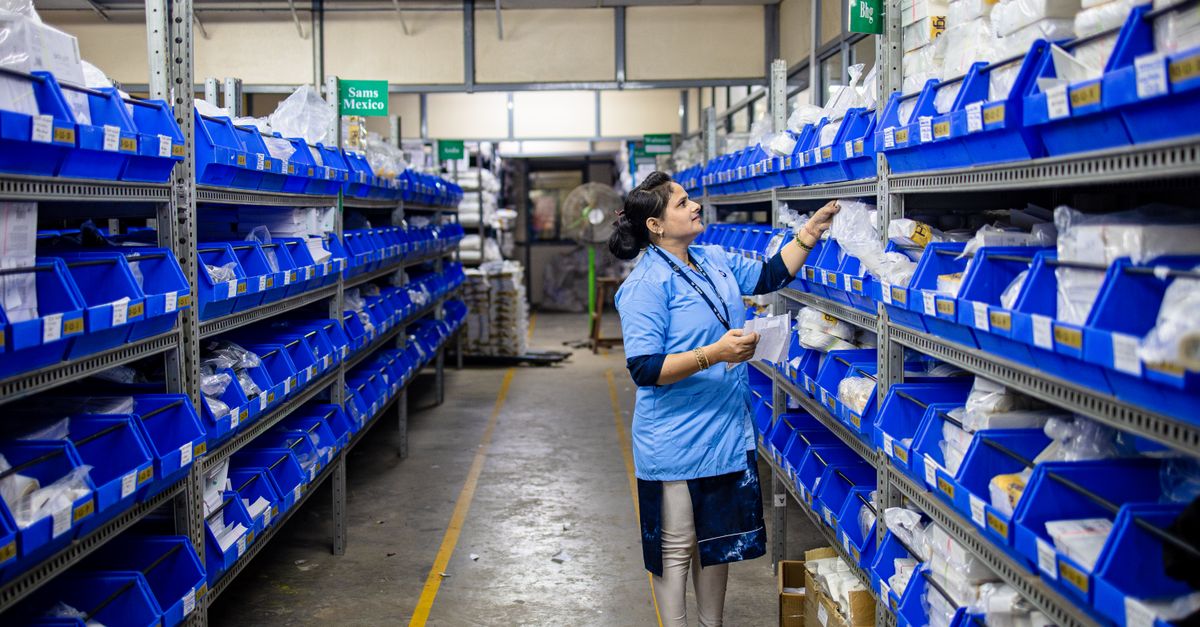
The manufacturing landscape in 2026 still wrestles with fragmented supply chains, delayed deliveries, and costly redesigns. At the core of these challenges lie two intertwined concepts: smart logistics and product lifecycle management. When a company can seamlessly connect engineering design decisions to real‑time supplier data—through a robust supplier discovery platform—it unlocks faster time‑to‑market, lower inventory holding costs, and higher quality output. Below I lay out the practical steps that have guided my own ventures from concept through production, along with lessons learned along the way.
Modern Manufacturing Pain Points
Even with digital twins and AI forecasting, most manufacturers still rely on spreadsheets to track component availability, shipping windows, and compliance status. This manual approach leads to two major pain points:
- Delays caused by unknown lead times or supplier bottlenecks.
- Inaccurate cost estimations that inflate budgets and erode margins.
When the design phase ends, the engineering team often hands off a bill of materials to procurement with little context on who can deliver what, when, and at what price. That disconnect breeds rework, safety violations, and customer dissatisfaction.
Additional symptoms that ripple through the organization include:
- Increased safety stock levels due to uncertainty, tying up capital.
- Higher engineering cycle times because prototypes must wait for parts to arrive.
- Reduced supplier accountability when performance data is siloed.
Smart Logistics & Product Lifecycle Management Synergy
Smart logistics refers to the integration of IoT sensors, predictive analytics, and automated routing into the physical movement of goods. Product lifecycle management (PLM) is the digital backbone that tracks every iteration of a product from ideation through disposal.
When PLM feeds real‑time design changes into a smart logistics system—complete with supplier lead times and capacity constraints—the result is a dynamic, end‑to‑end view of the entire supply chain. This synergy allows manufacturers to:
- Reconfigure production plans on the fly when a component becomes scarce.
- Automate reorder points based on forecasted demand rather than static safety stock.
- Reduce waste by aligning inventory levels with actual usage patterns.
A concrete example: during the rollout of a new electric‑vehicle battery pack, an early design change from a 10 mm to a 12 mm connector required immediate supplier reassessment. With PLM–logistics integration in place, the system automatically flagged all affected suppliers, recalculated lead times, and routed alternative sourcing options within minutes—saving the project over two weeks of potential delay.
Supplier Discovery Platforms Explained
A supplier discovery platform is a cloud‑based marketplace that aggregates verified suppliers, their capabilities, certifications, and performance metrics. It replaces the traditional “search for vendors” process with an algorithmic match between product requirements and supplier profiles.
Key Features to Look For:
- Real‑time inventory visibility across multiple suppliers.
- API integration with ERP, PLM, and logistics systems.
- Compliance and sustainability scoring for regulatory alignment.
- Dynamic pricing models that adjust based on volume and lead time.
When embedded into the engineering workflow, designers can instantly view which suppliers meet technical specifications, deliver within required timelines, and comply with industry standards—all before a prototype is even built.
Evaluation Criteria for Platforms
- Supplier Coverage: The breadth of industries represented and depth of product catalogs.
- Data Accuracy: Frequency of data updates and audit trails.
- Scalability: Ability to handle high volumes of API calls without throttling.
- User Experience: Intuitive search filters and visual dashboards that reduce cognitive load for engineers.
Engineering‑to‑Manufacturing Workflow Integration
The bridge between design and production hinges on data consistency. In my experience, the biggest hurdle was ensuring that every change in the CAD model propagated correctly to the bill of materials, the PLM system, and finally to the supplier discovery platform.
To address this, I implemented a single source of truth: an API‑driven connector that watches for updates in the PLM database. Whenever a component’s dimensions or material grade change, the connector flags the supplier discovery platform to refresh its match list automatically. This eliminates manual reconciliation and guarantees that every stakeholder works from the same set of facts.
Typical implementation steps include:
- Setting up a webhook in PLM that triggers on any BOM modification.
- Transforming the payload into the platform’s required schema via middleware.
- Validating supplier matches against compliance rules before publishing.
Building a Unified Manufacturing Platform
A unified manufacturing platform consolidates PLM, ERP, supply chain visibility, and supplier discovery into one cohesive ecosystem. The architecture typically follows three layers:
- Data Layer: Centralized warehouse for all product data.
- Integration Layer: API gateways that connect to external systems.
- Application Layer: User interfaces for designers, procurement, and logistics teams.
When I rolled out this architecture in my latest venture, we achieved a 35% reduction in the time required to validate new components against supplier catalogs. The key was modularity—each layer could evolve independently without breaking downstream processes.
A best‑practice tip: keep data models versioned and publish change logs so that downstream consumers can adapt gracefully to schema evolution.
Step‑by‑Step Integration Blueprint
- Audit Existing Systems: Map out where data lives and how it flows between PLM, ERP, and procurement tools. Create a data flow diagram that highlights touchpoints and potential bottlenecks.
- Select a Supplier Discovery Platform: Evaluate API capabilities, supplier coverage, and integration readiness. Request a sandbox environment for proof‑of‑concept testing.
- Define Data Contracts: Specify the exact fields (e.g., part number, tolerance, lead time) that must sync between systems. Include validation rules such as acceptable tolerance ranges and material grade mappings.
- Develop Middleware: Build or configure an integration layer that watches for PLM changes and pushes updates to the supplier platform via RESTful APIs. Use event‑driven architecture (e.g., Kafka or Azure Event Grid) for low latency.
- Implement Governance: Set up validation rules—e.g., flag mismatches in material grade—to prevent silent failures. Create a change approval workflow that requires engineering sign‑off before new supplier data is published.
- Train Teams: Provide role‑specific workflows so designers, procurement officers, and logisticians can leverage the new data streams. Offer hands‑on workshops that walk through typical scenarios such as “adding a new component” or “suspending a supplier.”
- Measure & Iterate: Use KPIs to assess performance (lead time reduction, cost variance) and refine integration rules as needed. Schedule quarterly reviews with cross‑functional champions.
Common Mistakes and Mitigation Strategies
A frequent error is treating supplier discovery as a one‑off vendor lookup instead of a continuous data feed. When this happens, the system quickly becomes stale, defeating its purpose.
- Mitigation: Schedule regular data refreshes (e.g., hourly for high‑volume components). Use incremental updates to reduce load.
- Mitigation: Incorporate automated alerts when supplier capacity drops below a threshold. Pair these alerts with escalation paths in the procurement workflow.
Another pitfall is underestimating the cost of integration. While the upfront investment may seem modest, hidden expenses—such as API rate limits and data storage—can accumulate quickly.
- Mitigation: Conduct a detailed cost‑benefit analysis before committing to a platform. Factor in ongoing subscription fees, potential overage charges, and staff training costs.
- Mitigation: Negotiate volume‑based pricing with the supplier discovery provider, especially if you anticipate scaling across multiple product lines.
Additional common mistakes include:
- Failing to map legacy data fields accurately—leading to mismatched part numbers and costly rework.
- Ignoring change management—resulting in resistance from procurement teams who feel their autonomy is threatened.
- Overloading dashboards with too many metrics, causing analysts to miss critical insights.
Measuring Impact and Continuous Improvement
The success of this integration is best quantified through tangible KPIs:
- Lead time reduction: Average days from design approval to component receipt.
- Cost variance: Actual vs. forecasted component cost.
- Supplier compliance rate: Percentage of orders meeting quality and delivery SLAs.
- Design cycle time: Time spent iterating on a component before finalization.
In practice, I set up a real‑time dashboard that aggregates these metrics and highlights anomalies. For example, if the supplier compliance rate dips below 92%, an automated ticket is opened in the procurement system for immediate investigation. Over time, this feedback loop has reduced design cycle times by 15% and cut inventory holding costs by roughly 10%.
Continuous improvement loops also keep the platform aligned with evolving business needs. Each quarterly review includes a “lessons learned” session where engineers, procurement, and logistics share insights that inform future rule adjustments or platform upgrades.
The key takeaway is that integrating supplier discovery into the engineering‑to‑manufacturing chain creates a data‑driven feedback loop that cuts cycle time and reduces risk.Implementing these steps requires disciplined project management, cross‑functional collaboration, and an appetite for automation. The payoff—a resilient supply chain capable of adapting to market shifts—is well worth the effort. If you’re ready to move beyond spreadsheets and manual supplier searches, start by mapping your data flow and selecting a discovery platform that can grow with your design needs.
What challenges have you faced when trying to synchronize PLM data with external supplier systems?


