
How Can Smart Manufacturing Transform Global Trade Networks in 2026?
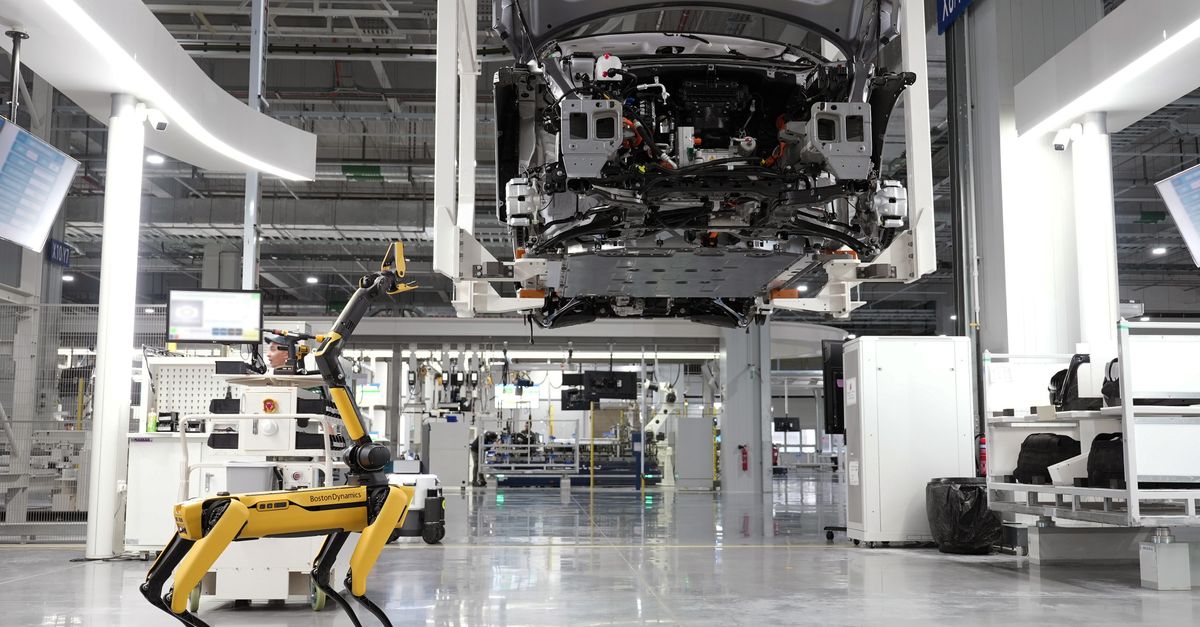
Smart manufacturing is no longer a niche buzzword; it’s the engine that powers modern global trade networks. By integrating real‑time data, automation, and predictive analytics into production lines, manufacturers can reduce lead times, lower costs, and respond instantly to market shifts. When you pair this capability with robust supply chain platforms and advanced manufacturing analytics, you create a tech‑enabled ecosystem where decisions are data‑driven and execution is seamless across borders.
Smart Manufacturing Fundamentals and Their Impact on a Global Trade Network
At its core, smart manufacturing relies on interconnected sensors, cloud‑based control systems, and AI algorithms that monitor every stage of production. This digital thread not only optimizes internal processes but also feeds information into the broader trade network, allowing partners to synchronize inventory levels, shipping schedules, and quality checks in real time. The result is a leaner, more responsive supply chain that can adapt to disruptions—whether it’s a sudden tariff change or a raw material shortage.
Implementing smart manufacturing requires aligning technology with business objectives. You must map out critical workflows, identify bottlenecks, and then deploy the right mix of hardware and software solutions. When done correctly, the gains ripple outward: suppliers receive accurate demand forecasts, logistics partners schedule shipments more efficiently, and end customers enjoy faster delivery times.
Core Elements of a Smart Manufacturing System
- Industrial Internet of Things (IIoT) sensors that capture machine performance data.
- Edge computing nodes for low‑latency decision making.
- Cloud analytics platforms that aggregate and visualize production metrics.
- Integrated ERP modules that sync operational data with financial systems.
- Cybersecurity frameworks to protect critical infrastructure.
The synergy among these elements is what turns isolated data points into actionable insights. Sensors feed raw metrics; edge nodes filter and act on anomalies instantly, while the cloud stitches together historical trends for deep analysis. This layered architecture ensures that every decision—whether it’s adjusting a conveyor speed or re‑routing a shipment—is based on up‑to‑date information.
The Supply Chain Platform as the Backbone of Tech-Enabled Manufacturing
A supply chain platform is more than a database; it’s the digital nervous system that connects suppliers, manufacturers, and distributors. With real‑time visibility into inventory levels, shipment statuses, and quality reports, these platforms eliminate silos that traditionally slow down global trade.
When you embed smart manufacturing data into the supply chain platform, you unlock predictive forecasting, automated replenishment, and dynamic routing—capabilities that reduce waste and shorten order cycles. The synergy between production insights and logistical coordination is what turns a fragmented network into a cohesive, high‑velocity trade engine.
Must-Have Features for Modern Supply Chain Platforms
- Real‑time inventory visibility across multiple warehouses.
- Automated procurement rules driven by consumption trends.
- Dynamic shipping optimization based on carrier performance.
- Integrated quality management to flag defects early.
- Robust API ecosystem for seamless third‑party integrations.
By exposing these features through open APIs, suppliers and logistics providers can plug directly into the platform’s data streams. This openness accelerates collaboration, reduces manual reconciliation, and enables a unified view of the entire chain from raw material to finished product.
Leveraging Manufacturing Analytics to Drive Continuous Improvement
Manufacturing analytics transforms raw data into actionable insights. By monitoring key metrics—such as cycle time, yield rates, and energy consumption—you can pinpoint inefficiencies before they become costly problems.
In my experience deploying an AI‑driven quality control system, I saw a 12% reduction in defect rates within the first quarter simply by flagging anomalies early.The power of analytics lies not just in reporting but in predictive modeling. By simulating various production scenarios, you can anticipate equipment failures, plan maintenance proactively, and avoid costly downtime that would ripple across your global trade network.
Critical KPIs and Data Sources in Smart Factories
- Cycle time per product batch.
- Equipment uptime vs. planned maintenance windows.
- Energy consumption per unit produced.
- Supplier on‑time delivery performance.
- Customer order fulfillment cycle times.
To translate these KPIs into business value, most organizations build a data pipeline that ingests sensor logs, cleans anomalies, aggregates them by product line, and feeds the results into predictive models. The insights generated are then surfaced in dashboards accessible to plant managers, supply chain planners, and executive leaders alike, ensuring that everyone operates from the same real‑time information base.
Scaling Internationally: Building a Robust Global Trade Network
Expanding into new markets with tech‑enabled manufacturing requires more than just opening a new plant. You need a strategic framework that aligns technology adoption with market dynamics, regulatory environments, and local supply chain partners.
A well‑planned rollout ensures that each new location integrates seamlessly with existing operations, leveraging shared data platforms for consistency in quality, cost, and delivery performance. This unified approach mitigates the risk of duplicated effort and enables rapid scaling across continents.
Five Practical Steps for Expanding Across Borders with Tech-Enabled Manufacturing
- Conduct a technology gap analysis to identify required capabilities at each location.
- Select suppliers that support your digital standards and offer real‑time data feeds.
- Implement a centralized analytics dashboard accessible to all stakeholders.
- Standardize cybersecurity protocols across all sites.
- Establish cross‑border compliance teams to navigate local regulations quickly.
For example, a U.S. electronics manufacturer that opened a facility in Germany had to adapt its ERP integration to accommodate the European Union’s data residency requirements. By deploying a hybrid cloud solution and aligning its APIs with GDPR mandates, the company maintained seamless data flow while staying compliant.
Financial Considerations and ROI of Smart Manufacturing Adoption
The upfront investment in smart manufacturing—sensors, software licenses, training, and integration—can be substantial. However, the payback period is often shorter than traditional upgrades because efficiencies compound across the entire supply chain.
A typical cost structure includes hardware procurement, cloud subscription fees, system integration services, and ongoing maintenance. By tracking ROI through metrics like reduced scrap rates, lower energy costs, and faster time‑to‑market, you can justify the spend to stakeholders and secure additional funding for future expansions.
Typical Cost Breakdown and Payback Timeline
- Hardware & sensors: 25% of total investment.
- Software licensing (cloud + analytics): 30%.
- Integration services: 20%.
- Training & change management: 10%.
- Contingency reserve: 15%.
Companies that adopt a phased implementation approach—starting with pilot lines and scaling gradually—often achieve a payback within 18 to 24 months. The key is to monitor performance closely and adjust the rollout based on real‑world results.
Beyond tangible savings, smart manufacturing also delivers intangible benefits such as improved brand reputation for sustainability, stronger supplier relationships through shared data transparency, and enhanced agility that positions firms ahead of regulatory shifts. These factors contribute to a competitive advantage that is increasingly difficult to quantify but highly valuable in the long term.
What specific manufacturing metrics have you found most critical when evaluating the success of smart manufacturing initiatives in your global operations?


