How can smart manufacturing platforms enable scalable production in industrial SaaS?
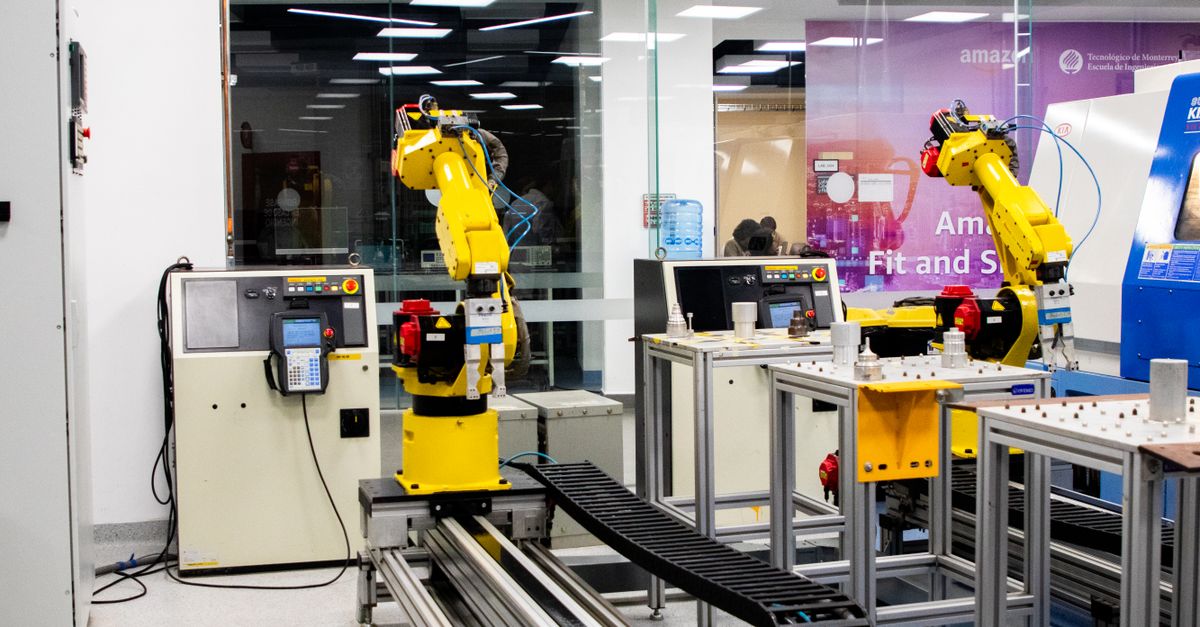
Manufacturing is moving from batch‑based, siloed operations toward interconnected, data‑driven ecosystems. In 2026 the question is not whether to adopt smart manufacturing but how an industrial SaaS platform can turn a plant into a scalable, responsive line that adapts to market demands in real time.
The Role of Smart Manufacturing in Modern Production
Smart manufacturing fuses sensors, cloud analytics, and automated controls to close the loop between design, execution, and feedback. It embeds intelligence across machines, supply chains, and processes, cutting downtime, optimizing resources, and speeding time‑to‑market.
Key Benefits of Smart Manufacturing
- Real‑time visibility: Operators see machine status, throughput, and quality metrics instantly.
- Predictive maintenance that reduces unplanned stops by flagging wear patterns before failure.
- Dynamic scheduling that reacts automatically to order changes or market trends.
- Enhanced quality control through continuous data capture for root‑cause analysis.
- Reduced material waste via precise inventory management and just‑in‑time supplies.
These outcomes enable scalable production, allowing a factory to increase output without proportionally expanding its footprint. Decoupling process logic from hardware lets manufacturers reallocate resources quickly while maintaining high utilization rates.
Core Components of an Industrial SaaS Platform
An industrial SaaS platform is more than software; it’s an ecosystem that unifies hardware interfaces, data pipelines, and user workflows. Typical layers include:
Typical Layered Architecture
- Edge gateway for device connectivity: Lightweight adapters translate proprietary protocols into standard formats.
- Data ingestion hub with message queuing to ensure no telemetry loss under high load.
- Analytics engine powered by machine learning that delivers insights beyond local hardware limits.
- Application layer providing dashboards and controls for supervisors without deep technical knowledge.
- Security framework: End‑to‑end encryption, role‑based access, and audit trails protect sensitive data.
Standardizing these layers lets manufacturers plug in new equipment or expand capacity without re‑engineering the stack. Modularity also supports hybrid deployments where some functions remain on‑premise for latency or regulatory reasons.
How BOM Management Drives Efficiency
A smart Bill of Materials (BOM) is the backbone of scalable production, linking design intent with manufacturing execution and tracking every component throughout its lifecycle.
Smart BOM Features to Look For
- Version control tied to product releases: Design changes propagate across downstream processes automatically.
- Automated change notifications to procurement so suppliers adjust lead times promptly.
- Real‑time inventory correlation with production plans, preventing bottlenecks.
- Cost and lead time analytics for material sourcing that balance economy and quality.
- Integration with CAD and ERP systems to eliminate manual entry errors.
A dynamic BOM eliminates spreadsheets that often cause delays. Real‑time alignment between engineering and operations streamlines change management and speeds time‑to‑market for new variants.
Scalability Considerations for Growing Factories
Scalability requires every system layer to handle increased data volume and user load. Key factors include:
Scalable Infrastructure Checklist
- Horizontal scaling via container orchestration (Kubernetes) for zero‑downtime deployments.
- Elastic cloud storage that expands automatically as sensor data archives grow.
- Load‑balanced API gateways to distribute traffic evenly.
- Auto‑scaling compute resources for analytics during peak forecasting periods.
- High‑availability database clusters ensuring continuous operation.
A well‑architected platform lets you add new production lines or sites with minimal disruption. Cloud‑native core services can be replicated in multiple regions, providing low latency locally while benefiting from centralized analytics.
Integration with Existing ERP and MES Systems
Manufacturers rarely replace legacy systems overnight; they layer a SaaS solution atop existing ERP and MES. Successful integration relies on:
Integration Success Factors
- Standardized APIs (REST, gRPC) for consistent communication.
- Data mapping tools that translate legacy schemas into the platform’s unified format.
- Event‑driven architecture for real‑time updates instead of scheduled polling.
- Security protocols such as OAuth 2.0 and JWT to protect endpoints while enabling single sign‑on.
- Change management processes aligning IT and operations through joint steering committees.
This preserves legacy investment while unlocking cloud analytics. Operators can continue using familiar MES screens, enriched with predictive insights alongside traditional metrics.
Data Analytics and Real‑Time Decision Making
The core of smart manufacturing is converting raw data into actionable insights. Modern platforms use time‑series databases, streaming pipelines, and predictive models to surface anomalies before they become problems.
Analytics Capabilities Worth Evaluating
- Anomaly detection thresholds for machine health that flag deviations from normal operating envelopes in real time.
- Demand forecasting with seasonality adjustments to anticipate spikes during holidays or launches.
- Capacity planning dashboards featuring what‑if scenarios to visualize adding shifts or reconfiguring lines.
- Energy consumption analytics that identify high‑usage machines for optimization.
- Root cause analysis tools integrated into incident logs, correlating sensor data with maintenance actions.
Clear real‑time indicators let operators keep the line moving and reduce waste. For example, a sudden rise in vibration on a lathe can trigger an immediate pause while a technician is dispatched, preventing downstream failures.
Automation, Robotics, and the Cloud Stack
Robots and automated guided vehicles (AGVs) thrive when orchestrated through a cloud‑based control layer that coordinates scheduling, routing, and safety protocols.
Cloud‑Enabled Automation Features
- Centralized robot fleet management: Monitor health, battery levels, and task assignments from one dashboard.
- Dynamic route optimization based on real‑time traffic to reduce idle time.
- Predictive maintenance alerts linked to machine health data for service windows during low‑traffic periods.
- Remote firmware updates over secure channels, keeping units current without halting production.
- Compliance logging that captures every command and response for regulatory review.
Decoupling control from the shop floor lets manufacturers reconfigure production quickly in response to product mix changes. A cloud service can re‑program a set of AGVs to carry new component types without rewiring each robot.
Cost‑Benefit Analysis: ROI of Smart Manufacturing Platforms
Investing in a SaaS platform demands clear financial justification. Typical metrics include:
ROI Drivers
- Reduced downtime (e.g., 15% lower MTTR) for more production hours.
- Lower inventory carrying costs (30% reduction) through just‑in‑time ordering.
- Energy savings from optimized operations (5–10%).
- Increased throughput without new capital expenditures, as software upgrades improve utilization.
- Improved product quality that reduces warranty claims and rework.
When these gains are quantified against subscription fees and implementation costs, most manufacturers see a payback period of 18–24 months. The incremental value also translates into competitive pricing or higher profit margins.
Common Pitfalls to Avoid During Implementation
Even the best platform can fail if rollout is mismanaged. Watch for:
Implementation Risks
- Underestimating data integration effort; legacy systems may need custom adapters.
- Neglecting change management and training; users must understand new workflows to realize benefits.
- Overlooking security hardening—default credentials or open ports can expose the ecosystem.
- Failing to set realistic performance benchmarks, eroding trust in the system.
- Ignoring vendor support contracts for critical components, which hampers rapid issue resolution during early adoption.
A disciplined approach that includes pilots, phased rollouts, and continuous feedback loops mitigates these risks. Starting with a small subset of machines validates integration patterns before scaling to the full plant.
Future Trends: AI, Edge Computing, and Sustainability
The next wave deepens AI, edge devices, and sustainability metrics. AI models will move from predictive maintenance to autonomous scheduling, while edge computing reduces latency for safety‑critical controls.
Emerging Focus Areas
- AI‑driven supply chain resilience that dynamically reroutes orders based on supplier performance.
- Edge analytics for real‑time quality inspection, eliminating downstream rework.
- Carbon footprint dashboards embedded in the platform to track emissions per unit and meet ESG targets.
- Digital twins that simulate production scenarios before implementation, reducing trial‑and‑error costs.
- Hybrid cloud architectures balancing privacy and scalability: Sensitive data stays on premises while analytics run in the cloud.
Staying ahead means evaluating vendors not only on current capabilities but also their roadmap for AI, edge, and ESG integration. A platform that supports modular upgrades ensures new breakthroughs can be adopted without a full rewrite.
The key takeaway: A scalable industrial SaaS platform turns isolated automation into a unified, data‑driven ecosystem that grows with your production needs. What specific metric has had the biggest impact on your plant’s decision to adopt a smart manufacturing platform?