
How can production automation and AI transform manufacturing in 2026?
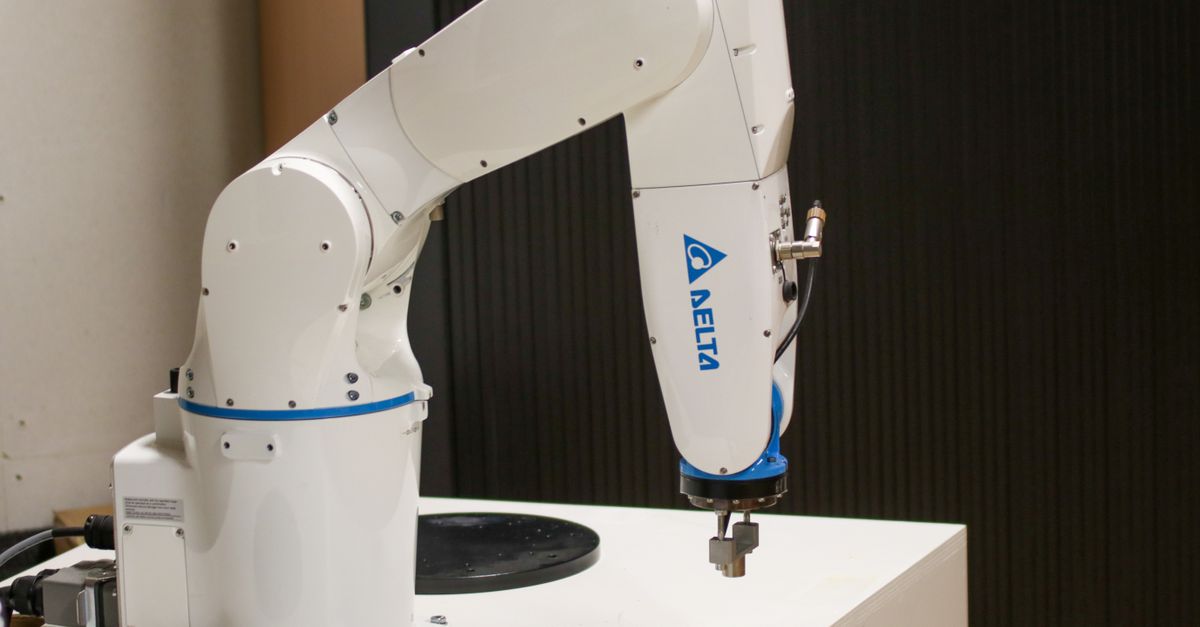
Manufacturing is on the brink of a seismic shift. Production automation, AI in manufacturing, next‑gen manufacturing, digital manufacturing solutions, and integrated manufacturing platforms are converging to replace legacy systems that once defined factory floors. In this article I’ll break down what those terms mean today, how they interlock, and why manufacturers should act now.
The Current State of Manufacturing Automation
For decades the industry relied on scripted PLCs (Programmable Logic Controllers) and batch‑oriented workflows. Those systems were reliable but inflexible; any change required code rewrites or costly downtime. Today, digital manufacturing solutions layer sensor data, real‑time analytics, and cloud connectivity atop those legacy layers.
However many plants still operate in silos: a robot arm is governed by one vendor’s firmware while the shop floor uses another’s ERP system. Integration gaps lead to inefficiencies, delayed quality checks, and missed opportunities for predictive maintenance.
Common Challenges with Legacy Automation
- Limited data visibility across machines
- Manual intervention required for most adjustments
- High maintenance costs due to proprietary hardware
- Difficulty scaling operations without a unified platform
- Inability to quickly adopt new AI or machine learning tools
These pain points set the stage for AI‑driven solutions that can bridge gaps, reduce cycle times, and unlock new revenue streams.
Beyond the obvious productivity gains, legacy systems also inflate operating expenses. Each manual adjustment consumes skilled labor hours that could otherwise be redirected to value‑added activities such as product design or customer support. When compounded across a multi‑line facility, the cost of human intervention can surpass the investment required for modern, autonomous tooling.
AI in Manufacturing: What It Means for Production Automation
When we talk about AI in manufacturing, we’re not just referring to robots on a conveyor belt. We mean systems that learn from data—machine vision identifying defects, predictive models forecasting equipment failure, and reinforcement learning optimizing process parameters—all running in real time.
Core AI Technologies Driving Change
Three pillars dominate the current wave: machine learning algorithms for pattern detection, computer vision for quality control, and predictive maintenance engines that schedule repairs before breakdowns occur. These technologies converge on a single manufacturing platform that can ingest data from edge sensors, process it in the cloud, and feed actionable insights back to operators.
Practical Examples & Use Cases
- Vision‑based defect detection reducing scrap by 30% in automotive parts
- Predictive analytics shortening mean time between failures for CNC machines
- Dynamic scheduling that reallocates work cells based on real‑time demand
- Automated calibration routines that adjust tooling settings without human input
- Energy consumption monitoring that flags inefficiencies in HVAC and lighting systems
These use cases illustrate how AI can translate raw data into tangible production gains, turning static automation into a responsive, learning ecosystem.
In addition to quality and scheduling, AI-driven energy management has emerged as a critical application. By continuously analyzing consumption patterns from HVAC units, lighting fixtures, and machine drives, algorithms can recommend optimal operating schedules that shave electricity costs by up to 15% without compromising productivity.
Building a Next‑Gen Manufacturing Platform
A modern platform must unify edge devices, cloud services, and data lakes while providing secure APIs for third‑party tools. The architecture typically follows a modular approach: sensors and actuators on the shop floor feed into edge gateways; those gateways stream to a cloud hub where analytics run; results flow back via MQTT or REST endpoints.
Architecture Components
The core components include:
- Edge devices with embedded AI inference engines
- A scalable cloud infrastructure (public, private, or hybrid)
- A centralized data lake for raw and processed information
- Orchestration layers that manage workflow logic and exception handling
- User interfaces—dashboards, mobile apps—for operators and managers
Deploying these components requires careful planning. Start with a pilot on one production line to validate data pipelines before rolling out across the plant.
Steps to Implement an AI‑Enabled Platform
- Audit existing equipment for connectivity readiness
- Select edge hardware that supports your chosen inference models
- Choose a cloud provider with low latency and compliance guarantees
- Define data governance policies (access, privacy, retention)
- Build or integrate dashboards tailored to key performance indicators
- Train staff on interpreting AI outputs and responding to alerts
In my experience, the biggest hurdle is aligning IT and operations around a shared data strategy. When both sides see clear ROI from pilot projects, adoption accelerates.
Beyond the technical checklist, organizations must also embed security best practices into every layer of the platform. Encryption at rest and in transit, role‑based access controls, and continuous vulnerability scanning are essential safeguards that protect intellectual property and maintain regulatory compliance.
Cost, ROI, and Common Pitfalls
Investing in AI‑driven production automation isn’t free. The upfront cost includes hardware upgrades, software licensing, cloud services, and training. However, the payback period can be as short as 12–24 months if you target high‑impact areas.
Investment Breakdown
A typical budget might look like this:
- $500K–$1M for edge devices and sensors
- $250K for cloud infrastructure and data lake setup
- $150K for analytics software licenses
- $100K for integration services and consulting
- Ongoing $50K annually for maintenance, updates, and support
These figures vary widely based on plant size, existing technology stack, and the scope of AI applications.
Avoiding Implementation Mistakes
- Underestimating data quality requirements—garbage in yields garbage out
- Over‑engineering solutions before validating business value
- Neglecting cybersecurity when exposing factory data to cloud services
- Failing to train operators on how to act on AI insights
- Ignoring the need for a governance framework that tracks model drift over time
By addressing these pitfalls early, manufacturers can protect their investment and ensure sustainable gains.
When calculating ROI, it is useful to quantify not only direct savings—such as reduced scrap or downtime—but also indirect benefits like improved customer satisfaction scores and lower warranty claims. A balanced scorecard that incorporates both financial and operational metrics provides a more holistic view of value creation.
Future Outlook: 2027–2030 Trends in Digital Manufacturing
The next few years will see deeper integration of digital twins, edge AI, and autonomous robotics. Digital twins—virtual replicas that simulate real‑time operations—will enable scenario planning at unprecedented speed. Edge AI will reduce latency, allowing machines to make decisions without cloud round‑trips.
Emerging Technologies
Key trends include:
- Blockchain for transparent supply chain provenance
- 5G connectivity enabling ultra-low latency between machines and control centers
- Reusable AI models that can be transferred across plants with minimal retraining
- Human‑robot collaboration tools powered by real‑time perception systems
- Advanced analytics platforms that integrate sustainability metrics into KPIs
Preparing Your Workforce for Automation
Technology is only half the equation. Upskilling staff to interpret AI outputs, troubleshoot models, and maintain advanced equipment will be critical. Companies should adopt modular training programs and partner with educational institutions to keep talent pipelines fresh.
Moreover, fostering a culture of continuous improvement ensures that new insights are not siloed but translated into process refinements. Regular cross‑functional workshops where data scientists, line supervisors, and maintenance crews co‑design solutions can accelerate adoption and embed AI literacy across the organization.
Key takeaway: Production automation powered by AI transforms manufacturing from a rigid process into an adaptive, data‑driven ecosystem that delivers faster cycle times, higher quality, and measurable ROI.In my experience, the companies that succeed are those that treat AI as an enabler—not a replacement—for human expertise. By aligning technology investments with clear business objectives, manufacturers can navigate the transition smoothly and stay competitive in 2026 and beyond.
What specific production bottleneck has your plant faced most often, and how might AI help address it?


